Please update your browser.

It looks like you are using an old version of the Microsoft Edge browser. To get the best experience with the Busch website, please update your browser.

food_industry_1_drylimon_istock_612839708_1920x720px

Vacuum and Overpressure in the Food Industry

From ingredient transport to freeze drying, solutions from Busch help bring food to our tables in a wide range of applications.

The right vacuum solution for your process

It is the one thing that every human on this planet has in common: We all need to eat. This basic necessity has given rise to an enormous industry around the harvesting, production, processing and packaging of food.

And at the heart of many processes within this industry are vacuum and overpressure technology, enhancing efficiency and ensuring optimal as well as consistent quality.
Product finder
It was the right decision to modernize and digitalize our plants together with Busch!
Johannes Kohne, Technical Manager, Emsland Frischgeflügel GmbH

Vacuum packaging

food_industry_3_foodpakaging_istock_557291156_767x767px
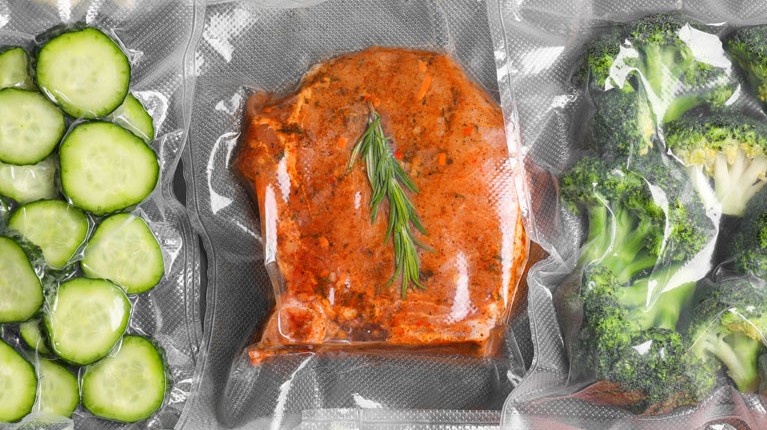
Packaging of food, particularly vacuum packaging, is essential in the food industry, crucial for preserving the freshness and quality of products from the point of manufacture to the moment they reach the consumer. From thermoforming machines to modified atmosphere packaging (MAP): By removing the air, oxidation and spoilage are minimized. This extends the shelf life of the product, ensuring it retains its flavor and color. Vacuum equipment is what makes this possible, such as our R5 oil-lubricated rotary vane vacuum pumps – the standard in food packaging. Our vacuum pumps have been specially designed for a variety of packaging applications, providing reliable and efficient solutions that meet the high standards of the food industry.

Matching products

Secondary packaging

sinja_23_another_productionline_packaging_image_from_the_very_best_artdirector_moooritz_rgb
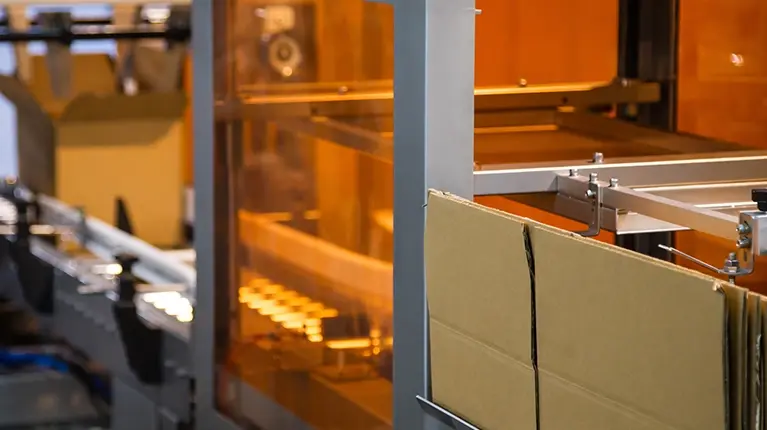
Once packaged in cans, bags or trays, foods are placed in cardboard boxes for further transport. The boxes are constructed with the help of vacuum in box erectors, machines designed to assemble cardboard boxes efficiently. These use suction cups to lift the cardboard, as well as to hold and fold it into shape. This eliminates the need for manual folding and construction, increasing the speed and consistency of box manufacturing. These machines are particularly valuable in environments where a high volume of boxes is required at a rapid pace.

Matching products

Raw material and ingredient transport

food_industry_2_ingredienttransport_istock_842906390_767x767px
The food industry uses every possible ingredient of all imaginable textures in enormous quantities. From dry and powdery, such as flour, to wet and viscous, such as syrups.

Moving ingredients in large amounts and with such a variety of consistencies from one area of the production floor to another can be challenging. But thanks to the addition of vacuum and overpressure, this is made more efficient.

Matching products

Pneumatic conveying of raw materials and ingredients

Conveying systems transport ingredients within food facilities via overpressure (overpressure conveying) or vacuum (suction conveying), ensuring efficient, food-safe transfer while reducing maintenance and explosion risks. Depending on the application requirements, such as material density and conveying method, different technologies can be used, including MINK dry claw vacuum pumps, SAMOS side channel blowers, and TYR rotary lobe blowers.

Pneumatic conveying is used in various food processes, such as confectionery, baking, pet food, and fish farming.

Vacuum lifting, handling and Pick & Place

Vacuum handing and lifting are used wherever raw materials, ingredients, or finished products need to be moved safely, efficiently, and hygienically. It is a common solution to avoid manual labor. A vacuum gripper is used to apply suction. It holds for example a bag firmly so that it can be lifted and moved throughout the production floor without any human effort. In addition, by reducing human interaction with the food, higher levels of hygiene can be maintained.

The SECO and MINK, series of vacuum pumps, as well as the SAMOS and TYR, both offer clean and consistent vacuum suitable for handling applications, making either one an excellent choice in areas where food hygiene is paramount.

Pick & Place systems use vacuum to lift, move, and position products quickly, safely, and with high precision. They are widely used in automated production and packaging lines to handle items gently and without direct human contact. This supports high throughput, reliable repeatability, and hygienic operation, especially in food processing environments. Depending on the application requirements, solutions such as SECO dry rotary vane vacuum pumps, SAMOS side channel blowers, MINK dry claw vacuum pumps can be used to provide compact, efficient, and reliable vacuum generation. For systems with multiple pick & place units, centralized vacuum systems based on MINK dry claw vacuum pumps are an especially quiet, energy-efficient, and low-maintenance solution.

Confectionery

food_industry_7_confectionery_istock_987926463_767x767px
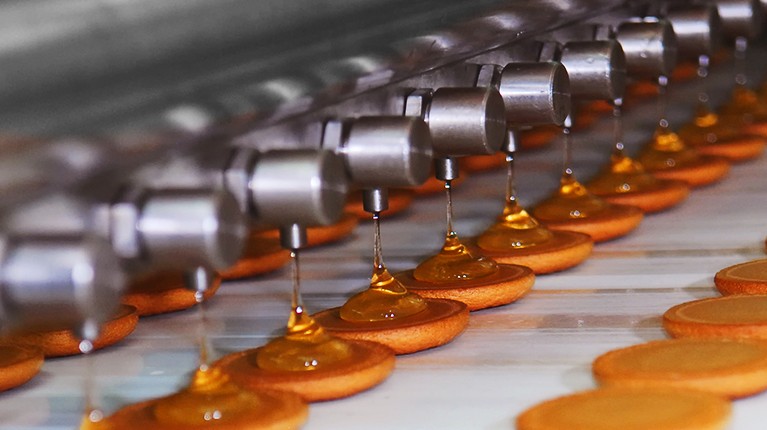
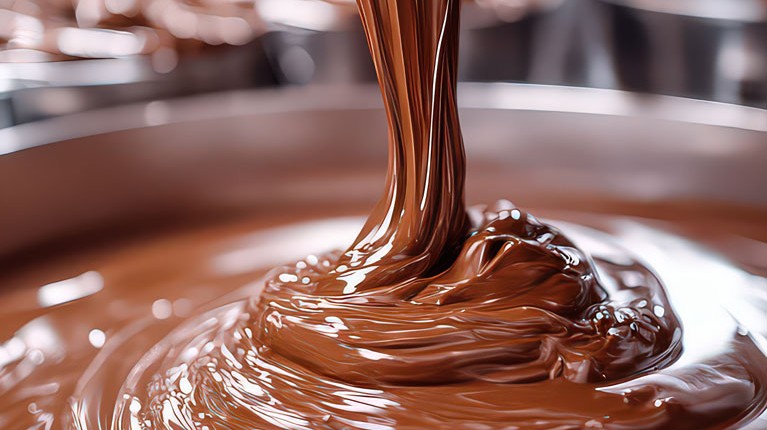
From hard candies to puffy, airy marshmallows, tightly twisted licorice to smooth and melty chocolate, sweet treats come in all shapes and sizes and to satisfy all tastebuds. This bewildering range of textures and tastes can be divided into three principal sectors.

Cocoa products cover the multitude of chocolate products on the market – from bars to coated biscuits. Sugar confectionery meets the tastes of the especially sweet-toothed. This includes caramel, nougat and hard candies. Finally, there are the chewy treats of bubblegum and chewing gum.

Each sector uses vacuum and overpressure in various processes.

Learn more about confectionery applications

Beverages

food_industry_4_beverages_istock_1366479167_767x767px
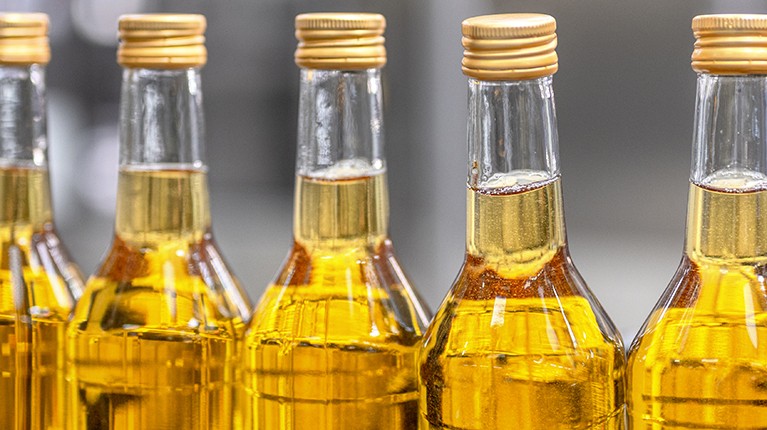
Vacuum and overpressure play an important role in preparing many of the beverages we enjoy every day.

Busch technology is used to degas water for beverage manufacturing, whether to prepare water for use as an ingredient or as part of the production process for other beverages. It also puts the sparkle into carbonated drinks and helps ensure that beer reaches the end customer as if fresh from the brewery.

Matching products

Mineral water degassing

Every water source has its own unique fingerprint of dissolved gases and minerals. But not all of these are ideal in drinking water – they may lead to an unpleasant taste or smell, make the water unsafe to consume, or cause oxidation. Drinking water and water used in food manufacturing must therefore first undergo degassing to remove these unwanted ingredients.

This process uses vacuum to extract dissolved gases like oxygen and carbon dioxide. DOLPHIN are ideally suited for this application. In their stainless steel version, the operating fluid can be returned directly to the process, which means almost no water is consumed. MINK dry claw vacuum pumps provide an alternative for applications where in an oil-free operation and minimal maintenance requirements are essential.

Carbonation

The first hiss of bubbles as a fizzy drink pops is a refreshing sound. Although first sold to the general public for medicinal purposes, today’s sodas are for every occasion and are enormously popular across the world.

The fizz in some drinks, like champagne, kombucha and beer, is the natural result of fermentation, but others have their sparkle added with the use of a compressor. Inside a chamber containing the drink to be carbonated, the temperature is reduced. Then, carbonic gas is pushed in under high pressure. The gas dissolves in the liquid. When the consumer opens the bottle or other container, the pressure is released suddenly, allowing the water and CO2 to partially separate again. The gas comes bubbling to the surface, giving the drink its distinctive fizz.

DOLPHIN liquid ring compressors excel in carbonation processes due to their ability to handle wet gases and vapors. As the liquid in the compression chamber is constantly in movement, no stickiness from the carbonated drinks can build up inside the pump, and the stainless-steel components do not react with the carbonic acid.

Beer bottling

In the beer bottling process, vacuum and overpressure are crucial to ensure product quality and packaging integrity.

Before filling, vacuum is used to evacuate the air from the bottle, allowing it to be filled faster and increasing productivity. The beer is then filled. This important stage prevents the beer from oxidizing in the bottle, thus preserving its flavor and aroma. Using a compressor, carbon dioxide is inserted at high pressure to fill the remaining space in the bottle. This pushes out any remaining air in the headspace of the bottle, further reducing the risk of oxidation. As a result, the beer will remain carbonated and fresh during storage and transport.

Busch offers the DOLPHIN liquid ring vacuum pumps for the demanding beer bottling process due to their robustness. Their liquid ring ensures that no stickiness from the beer builds up inside the pump.

Dairy

food_industry_6_cow_istock_93118442_cow_grass_767x767px
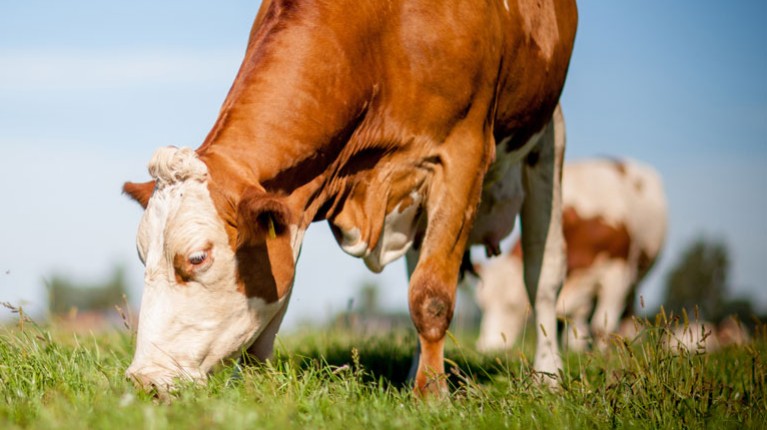
From cow to supermarket, vacuum assists: The dairy industry covers a wide range of applications in all areas of the foodstuffs it produces.

Vacuum technology plays a critical role in ensuring the quality and efficiency of the vast array of milk-based products. Whether it's during the milking process, in cheese manufacturing, or in the creation of powdered milk, vacuum solutions are indispensable.

Learn more about dairy production

Pet food and animal feed

food_industry_8_pet_food_istock_1502844838_767x767px
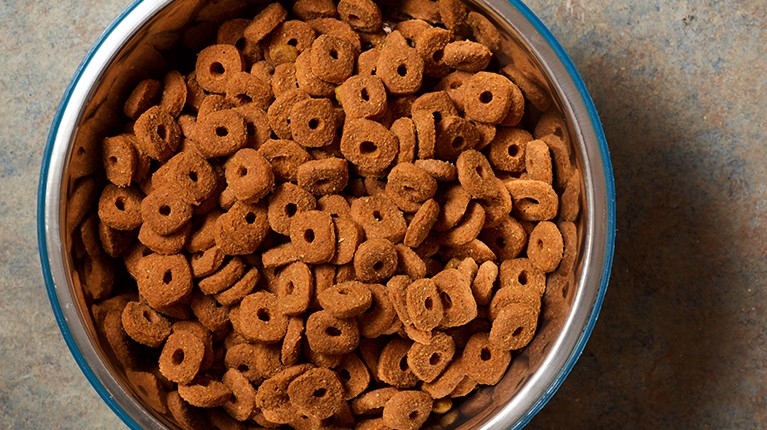
To meet the needs of all the various animals that are kept as pets, the pet food sector must cater to an enormous range of diets, nutritional requirements and tastes. The two biggest sectors in the market are cat and dog food.

Although the required standards for the food differ to that for human consumption, the applications for vacuum and overpressure are very similar to those for human food, such as vacuum packaging, pneumatic conveying, or freeze drying.

Matching products

Freeze drying of pet treats

Freeze drying is a method of preserving fresh, raw ingredients without compromising on their nutritional value. This process is also known as lyophilization. First, the product is frozen. Then, a vacuum pump reduces the surrounding pressure. With the addition of heat, the vacuum allows the frozen water in the product to sublimate, i.e., change directly from a solid state to a gas. This removes all the moisture from the food.

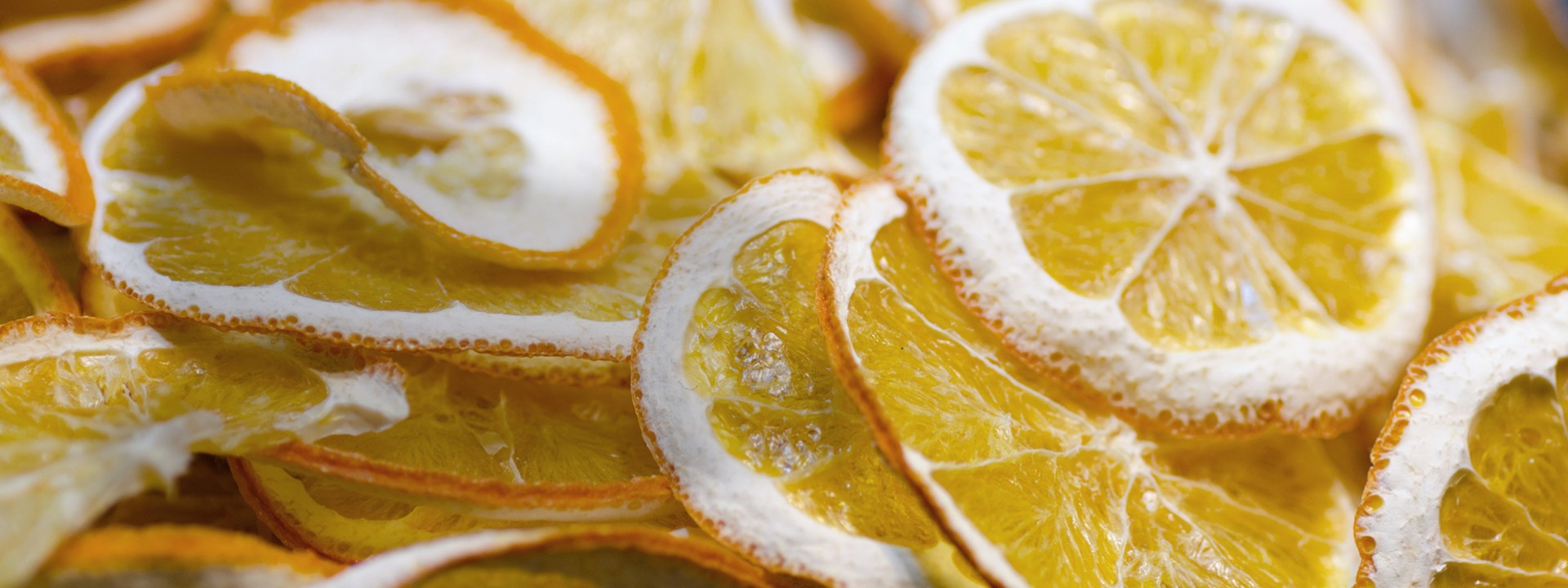
Freeze drying is frequently used to create foods for human consumption, such as for instant coffee or dried fruits, as well as in the pharmaceutical industry. However, it is also commonly employed when manufacturing pet treats. These include dried meat chews for dogs, dried fruits and vegetables for small pets like rabbits or guinea pigs, and even complete diets for many different animals.

Pneumatic conveying of pet food raw materials and ingredients

In pet and animal food manufacturing, the use of overpressure and suction conveying systems ensures efficient, hygienic transfer of ingredients. These closed systems prevent contamination and maintain cleanliness in the manufacturing space. The TYR rotary lobe blower generates the overpressure necessary for a steady material flow through the manufacturing system, preserving the quality of the ingredients. For delicate ingredients, suction conveying, such as with MINK dry claw vacuum pumps, offers especially gentle handling.

Vacuum packaging of pet food

The machines used to package food for pets are essentially the same as for foods for human consumption. While pet food in cans does not require vacuum pumps, pet food in bags and trays is typically carried out with the use of vacuum. This prolongs the shelf life of the food while maintaining its original texture and appearance.

Secondary packaging

As in food production for human consumption, pet food products are packed into cardboard boxes for onward transport after being filled into cans, bags, or trays. In this secondary packaging step, box erectors use vacuum suction to lift, position, and fold flat cardboard into shape. This enables fast, reliable box forming, reduces manual handling, and supports a consistent packaging process in high-throughput production environments.

Fish farming

food_industry_5_fisch_farmingistock_618292135_767x767px
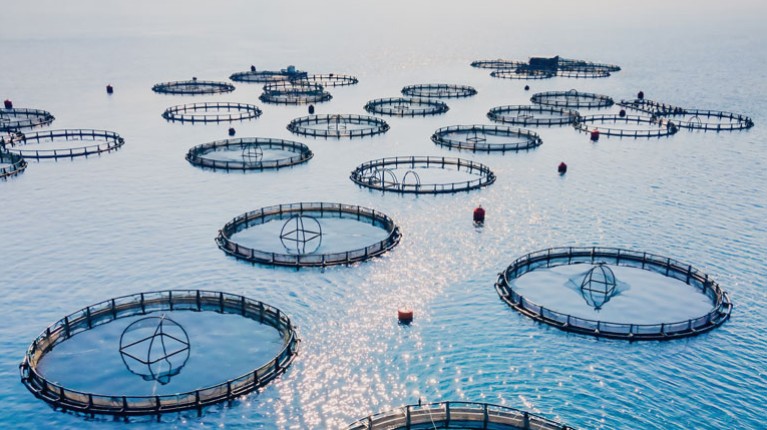
Fish farming is an industry that uses vacuum and overpressure in a wide variety of applications throughout the lifecycle of the fish.

Vacuum helps maintain hygiene in the fish hatcheries and assists in fish processing areas, while overpressure aerates breeding tanks and aids in creating and transporting feed.

Matching products

Unlock the full potential of your vacuum process

solution_stage_new2
with expert insights from Vacuum Diagnostics

Discover more