The role of vacuum in lithium-ion battery recycling
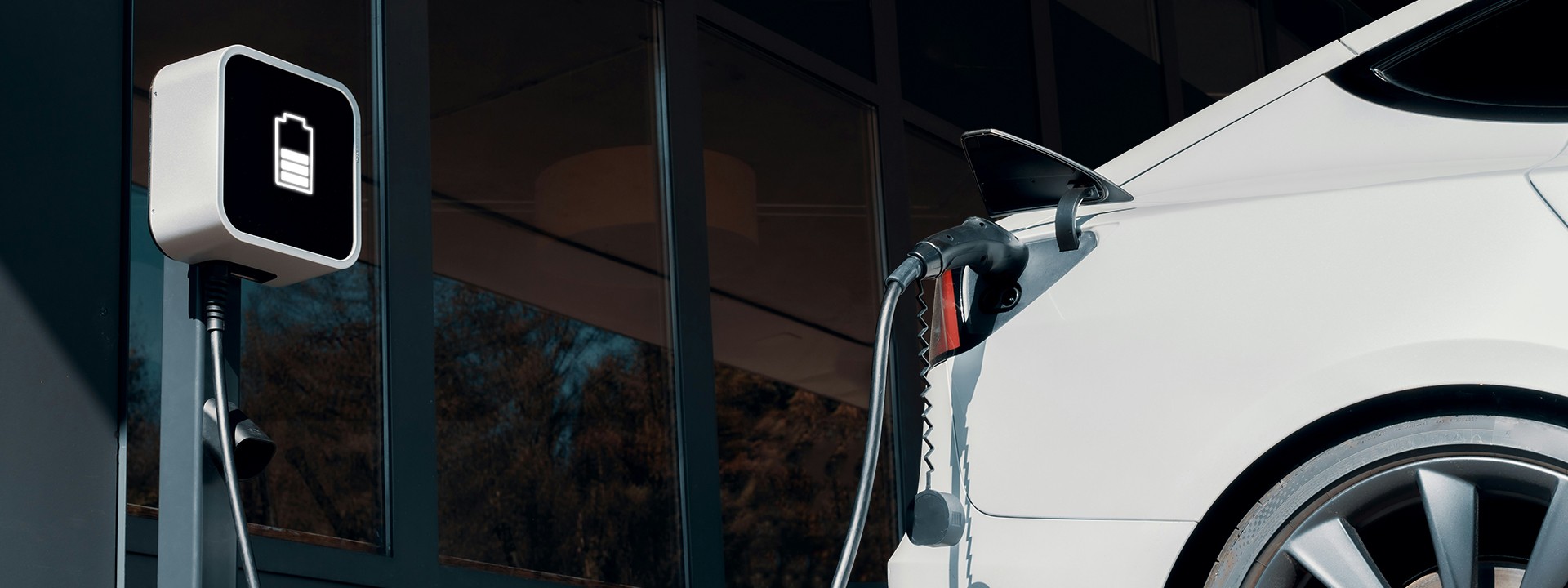
The world of transportation is currently at a turning point. Combustion engines are slowly being phased out in favor of more environmentally friendly electric solutions. And as more electric cars are manufactured, the number of batteries reaching their end of life also increases. Recycling lithium batteries with the help of vacuum ensures that e-mobility remains the most sustainable option.
Vacuum is the key to reducing each battery’s environmental impact.
The carbon footprint of an electric car stems almost entirely from its production process. Each vehicle requires an enormous number of resources to put it on the road – especially in its battery. And without recycling, the resources required to build these batteries will one day be completely exhausted.
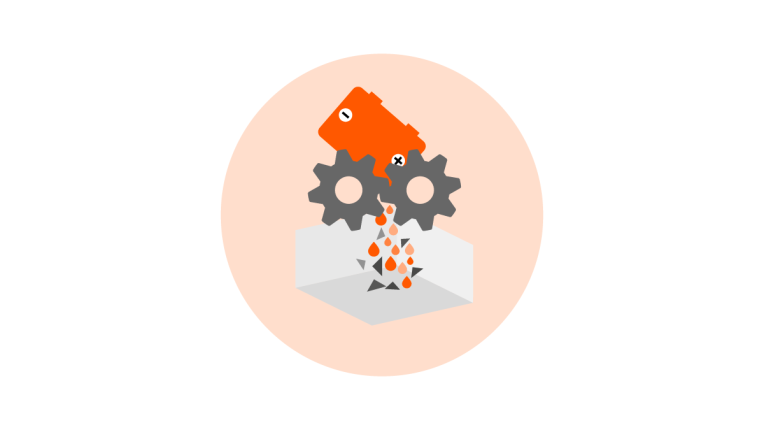
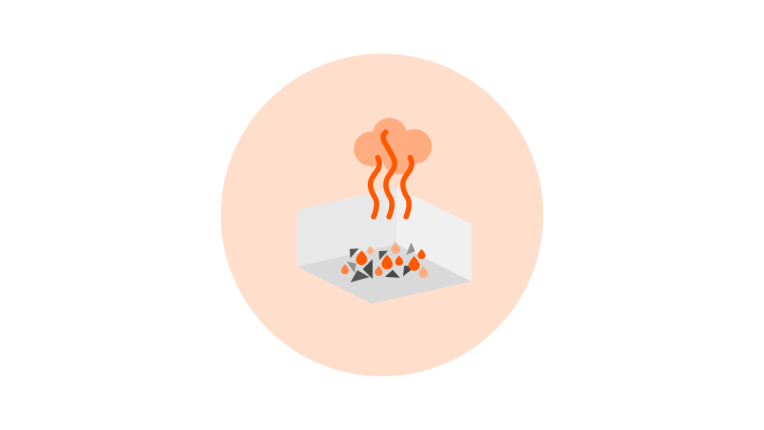
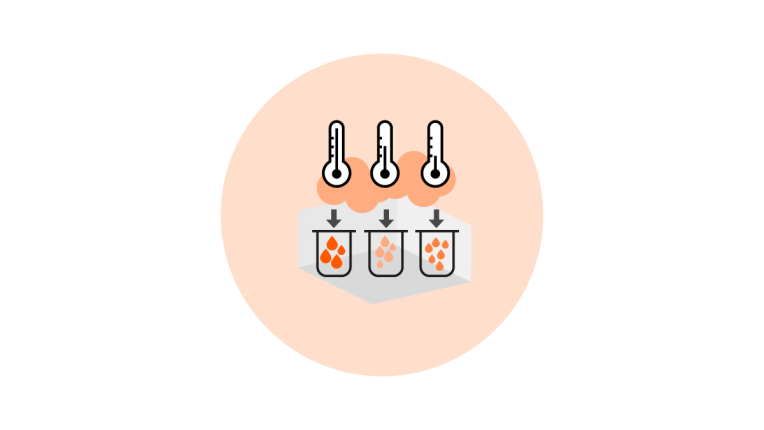
Vacuum is the key to reducing each battery’s environmental impact, ensuring that they can be recycled efficiently and that new batteries can continue to be produced. New and promising recycling methods using processes under vacuum can reach a recycling rate of over 90%.
Find your vacuum solution with the Busch Group
The Busch Group, a global leader in vacuum technology, unites two expert brands: Busch Vacuum Solutions and Pfeiffer Vacuum+Fab Solutions. Together, they offer the most comprehensive portfolio of vacuum solutions for every stage of lithium-ion battery recycling – from mixing, drying, filling, and impregnating to degassing and leak detection.Busch Vacuum Solutions is known for its reliable vacuum pumps, blowers, and compressors, while Pfeiffer Vacuum+Fab Solutions brings specialized expertise in the high and ultra-high vacuum ranges and leak detection. Their combined technologies ensure efficient and safe recycling processes.