Please update your browser.

It looks like you are using an old version of the Microsoft Edge browser. To get the best experience with the Busch website, please update your browser.

stage_lit_recycling_final2

Lithium Battery Recycling

New and promising recycling methods using processes under vacuum can reach a recycling rate of over 90%.

The role of vacuum in lithium-ion battery recycling

The world of transportation is currently at a turning point. Combustion engines are slowly being phased out in favor of more environmentally friendly electric solutions. And as more electric cars are manufactured, the number of batteries reaching their end of life also increases. Recycling lithium batteries with the help of vacuum ensures that e-mobility remains the most sustainable option.
Vacuum is the key to reducing each battery’s environmental impact.

The carbon footprint of an electric car stems almost entirely from its production process. Each vehicle requires an enormous number of resources to put it on the road – especially in its battery. And without recycling, the resources required to build these batteries will one day be completely exhausted.

Vacuum is the key to reducing each battery’s environmental impact, ensuring that they can be recycled efficiently and that new batteries can continue to be produced. New and promising recycling methods using processes under vacuum can reach a recycling rate of over 90%.

Find your vacuum solution with the Busch Group

The Busch Group, a global leader in vacuum technology, unites two expert brands: Busch Vacuum Solutions and Pfeiffer Vacuum+Fab Solutions. Together, they offer the most comprehensive portfolio of vacuum solutions for every stage of lithium-ion battery recycling – from mixing, drying, filling, and impregnating to degassing and leak detection.

Busch Vacuum Solutions is known for its reliable vacuum pumps, blowers, and compressors, while Pfeiffer Vacuum+Fab Solutions brings specialized expertise in the high and ultra-high vacuum ranges and leak detection. Their combined technologies ensure efficient and safe recycling processes.

Lithium-ion battery recycling with vacuum

A battery consists of many different raw materials. These make battery recycling a complex process that, if done incorrectly, can cause dangerous conditions. There are therefore several different processes involved to recover the different raw materials safely.

Each method alone has low recovery rates, and some are very energy intensive. New approaches use vacuum technology and a combination of these methods to achieve higher recycling rates and therefore increase the total recovery rate.

Within the lithium-ion battery recycling methods described above, there are several different processes that take place under vacuum, including:

con23_136_infographic_resyclinglitiomionbattery_2_schredding_1200x765px_gray

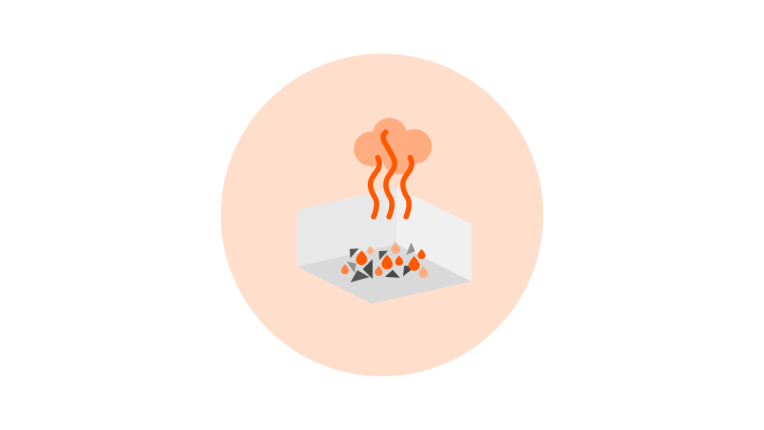
Shredding

After the lithium-ion battery has been discharged and disassembled, it is broken down. First, the battery is shredded in an inert atmosphere. A vacuum pump extracts the ambient air from inside the shredder so that pure nitrogen can be pumped in. This stage is essential for safety: The lack of oxygen prevents unintended reactions between the highly volatile components. These reactions could otherwise cause damage to equipment and workers, and allow other dangerous compounds to form.

Busch has a number of vacuum pumps that are suitable for the shredding phase of battery recycling. Products from the R5, COBRA, DOLPHIN, MINK and HUCKEPACK product families all fulfill the high demands placed on the vacuum equipment. Depending on the process design, we offer different versions, such as stainless steel liquid ring vacuum pumps or ATEX-certified pumps according to your safety analysis.

Compare matching products
con23_136_infographic_resyclinglitiomionbattery_3_drying_1200x765px_gray

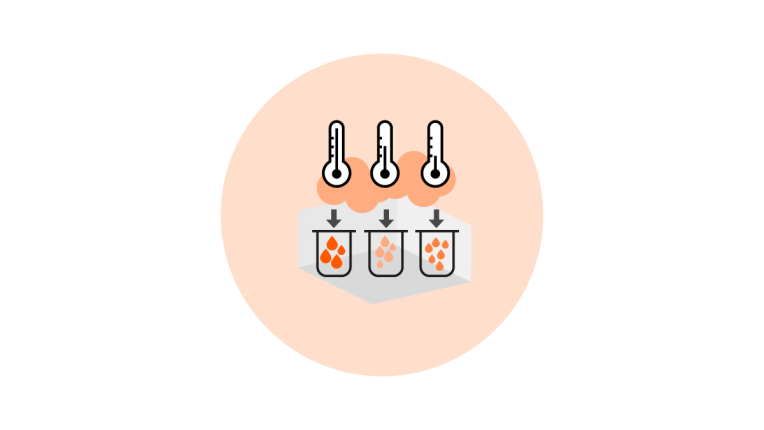
Drying

At this stage, the shredded mixture still contains the liquid electrolyte. Removing the electrolyte is very challenging, as it is made up of a number of different chemicals, all of which have different boiling points. To separate this liquid from the shredded solids, a combination of heat and vacuum is used to evaporate the liquid.

Carrying out the process under vacuum has several advantages: The boiling point of the electrolyte solution is lowered and allows for very low process temperatures. Drying at higher temperatures can lead to the formation of toxic gases such as hydrogen fluoride. As these are extremely dangerous to human health, the exhaust gases would therefore need to be scrubbed before they could be released, adding an extra process step and additional costs, and causing a higher carbon footprint. Furthermore, these gases can contaminate the electrolyte. By preventing their formation, more of the solvent can be successfully recycled at a much higher level of purity. Vacuum also enhances the safety of the process: the lack of oxygen in the process drastically reduces the risk of fire breaking out.

The pressure needed for this process is lower than that for shredding. Liquid ring vacuum pumps (DOLPHIN), dry screw (COBRA) or dry claw vacuum pumps (MINK) are often accompanied by a booster, such as a PANDA or PUMA from Busch, or HiLobe from Pfeiffer to achieve lower base pressure or increase the pumping speed. Depending on your individual safety analysis, an ATEX-certified pump or system may be necessary.

Compare matching products
con23_136_infographic_resyclinglitiomionbattery_4_distilation_1200x765px_gray

Distillation

So that they can be recycled, the evaporated electrolytes must be condensed back into a liquid state. Vacuum distillation is used to separate them into individual compounds. As the liquid components have different boiling points, they evaporate at different temperatures. This means that they can be removed and recovered successively. The lower temperatures and oxygen-free environment in vacuum distillation make it safer than atmospheric distillation.

Liquid ring vacuum pumps (DOLPHIN), dry screw (COBRA) or dry claw vacuum pumps (MINK) are the ideal partners for distillation in battery recycling, accompanied by boosters such as a PANDA or PUMA from Busch, or HiLobe from Pfeiffer where low pressures or high flows make them necessary.

Only after these steps are the remaining solids sorted and separated. These are made up of steel, aluminum and copper components, as well as a mixture of electrode materials, binders, additives and residual components of the electrolyte (called black mass due to its color). The separation happens in a combination of various mechanical processes, including crushing, drying, sorting and classification. These are combined with pyrometallurgical and hydrometallurgical processes.

Compare matching products
con23_136_infographic_resyclinglitiomionbattery_5_leacdetection_1200x765px_gray

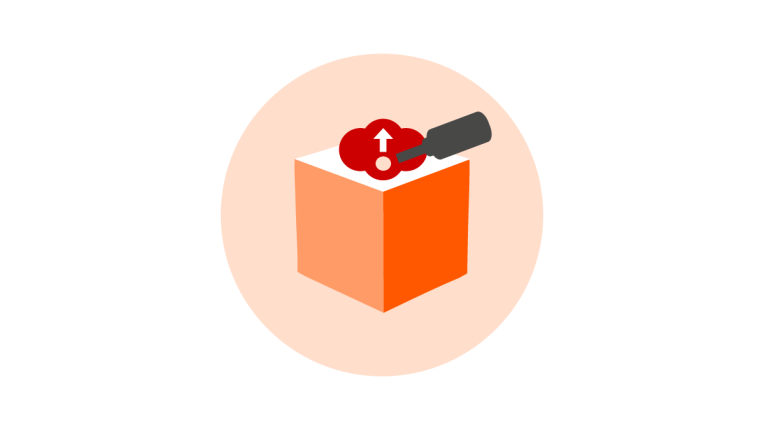
Ensuring leak tightness for process integrity

In battery recycling under vacuum, leak tightness is crucial to maintain the integrity and safety of each process stage, from shredding to distillation. Even minor leaks can introduce oxygen into the system, which compromises the inert atmosphere and heightens the risk of hazardous reactions or contamination. To verify leak tightness, operators can use either pressure decay testing or helium leak detection.

Helium leak detectors such as the ASM 340 or ASM 310 from Pfeiffer are highly suitable, offering the precision needed to identify even the smallest leaks.

For pressure decay testing, vacuum gauges like the VACTEST from Busch, or ActiveLine and DigiLine from Pfeiffer provide accurate and reliable measurements to detect any drops in pressure that signal leaks.

By implementing these methods, operators can ensure optimal vacuum conditions, enhancing both the safety and efficiency of lithium battery recycling.

Busch Group solutions

When selecting a vacuum pump for battery recycling, there are several considerations to be made. Corrosion resistance and material compatibility are paramount. Due to the processes’ varying pressure requirements, the vacuum pump’s performance under different vacuum conditions should also be taken into account.

Contact us! We’re happy to help you find the right solution for your process. With solutions from both Busch and Pfeiffer.
 
Shredding
Drying
Distillation
 
Compare products PENDING
Vacuum pumps


R5 (Busch)
Oil-lubricated rotary vane
 
 
HUCKEPACK (Busch)
Two-stage oil-lubricated rotary vane
 
 
COBRA (Busch)
Dry screw
DOLPHIN (Busch)
Liquid ring
MINK (Busch)
Dry claw
Vacuum boosters


Leak detection


Measurement equipment


Unlock the full potential of your vacuum process

solution_stage_new2
with expert insights from Vacuum Diagnostics

Discover more

Learn more about lithium-ion battery recycling

What is the structure of a lithium-ion battery?

lithium_battery_disected

Lithium-ion batteries have a complex structure consisting of many different components.

  • Cathode: The positive electrode of the battery, made from materials like lithium cobalt oxide, lithium iron phosphate or other lithium compounds.
  • Anode: The negative electrode of the battery, typically graphite.
  • Tabs: Thin strips of metal that connect the electrodes to the external circuit, allowing the electrical current to flow in and out of the battery.
  • Electrolyte: A liquid that helps lithium ions move between the cathode and anode, usually consisting of a lithium salt solute in an organic solvent.
  • Separator: A thin material that keeps the positive and negative electrodes from coming into contact while letting ions pass through, often made of polyethylene or polypropylene.
  • Current collectors: Conductive material that helps collect and transfer electrical current. Aluminum is used for the cathode side and copper for the anode side.
  • Casing: The outer shell that protects all the inner parts, usually metal or plastic.
  • Other: Connecting many of these parts are additional, smaller components such as cables and screws.

Why do we need to recycle lithium-ion batteries?

There are two main reasons to recycle lithium-ion batteries: cost, and environmental considerations.


Costs

A sustainable recycling concept can help lower reliance on newly mined resources. This market will grow as more and more electric cars are produced and larger quantities of end-of-life batteries will be collected for recycling. In addition to recycling of end-of-life batteries, many battery cell manufacturers integrate recycling plants directly within their gigafactories, enabling them to repurpose production scrap back into the manufacturing process. This approach not only supports sustainability but also serves as a critical cost-saving measure in large-scale battery production.

In the manufacture of an electric vehicle, the battery pack is the most expensive part. It can account for up to 50% of the total costs of the vehicle, with the majority of these costs stemming from the material. It therefore makes economic sense to recycle as much as possible and avoid these needing to be purchased for every new battery. Furthermore, the metal content inside a lithium-ion battery is even higher than some natural ores, making them valuable for economic recovery.


Environmental aspects

As well as the high costs associated with creating a new battery, there are also environmental considerations, both at the beginning and the end of the battery’s life cycle. The valuable metals contained in a lithium-ion battery, such as lithium, nickel and cobalt, are finite materials – and demand is growing. Without recycling, the boom in e-mobility will rapidly deplete our currently known lithium reserves. It is all the more important that the shift from conventional to electrical mobility is also carried out sustainably, and the availability of these resources must be secured in a way that has as little impact on the planet as possible.

Extracting the raw materials necessary to manufacture a lithium-ion battery is a very environmentally intensive process. Just like any other mining, it causes irreversible damage to the landscape and increases air pollution. The enormous quantities of water needed by certain methods of lithium extraction also divert water supplies away from local communities and the natural environment.

Furthermore, once a lithium-ion battery reaches the end of its useful life, it must be disposed of correctly. The materials inside used batteries can be hazardous to the environment if released. A very specialized and expensive disposal process is therefore necessary – after which the resources are lost forever. Recycling, although also associated with costs, can at least ensure that the resources are retained and reused. In addition, recycling the batteries lessens the environmental impact by distributing the carbon footprint of mining across the multiple batteries created from the reused materials.

What are the main techniques used in battery recycling?

As preparation, the battery is completely discharged. Then, various components, such as the casing, cables and screws, can be disassembled and either recycled or reused. This disassembly ensures that the complete recycling process is as efficient as possible, and that the components that are easier to recycle can be separated first. There are four main techniques used to recycle lithium-ion batteries.

Mechanical treatment: In this method, battery components are physically separated and reduced in size to recover valuable materials. This happens through processes like crushing, shredding, and sieving.

Hydrometallurgy
: This process uses solvents, acids, or other chemical reagents to dissolve and selectively recover metals from batteries. It often includes leaching, precipitation, and purification steps.

Thermal treatment:
This technique involves the application of heat to the recycling process of lithium-ion batteries. Through heating processes, chemicals can be evaporated, such as in the distillation process, which is performed to separate liquid electrolyte. Heat can also be applied to decompose certain components, such as to remove plastics.

Pyrometallurgy: This technique involves high-temperature processes to extract valuable metals from spent batteries. It typically involves smelting or roasting the battery materials to recover metals like lithium, cobalt, and nickel. The process can be energy intensive and releases gases such as benzene, hydrogen cyanide, and formaldehyde that need to be treated to prevent environmental harm.

Are electric cars better for the environment than traditional cars?

Electric vehicles are presented as the most environmentally friendly solution for our streets. And in day-to-day driving, they are far more efficient: The carbon footprint of an electric car is, on average, over three times lower per kilometer than a conventional car of the same size. However, straight out of the factory, they actually have a higher carbon footprint than a car with a combustion engine. This is the result of the complex battery production process. The typical break-even point for CO2 emissions – the moment where the electric car begins to have a lower carbon footprint than a car with a combustion engine – happens at around 50,000 – 80,000 km. This varies depending on the sources of the electricity used to charge the vehicle: A car charged, for example, with electricity solely from renewable sources will have a lower overall carbon footprint than one that draws its electricity from conventional power plants. Other external factors, such as the climate and terrain, also have an effect on the overall efficiency of the vehicle.

However, if the battery is recycled to its maximum potential, the environmental impact can be reduced yet further. Recycling processes such as the mix of mechanical and hydrometallurgical processes under vacuum as described above, can recover around 90% of the valuable materials inside the battery. This means that the CO2 footprint for the production process is considerably lower than if new materials are used.

Where is vacuum used throughout the lifecycle of a lithium-ion battery?

Vacuum technology is utilized both at the beginning and the end of the lifecycle of a lithium-ion battery.

During the manufacturing process of a lithium-ion battery, vacuum technology is used in various processes to mix and dry the slurry, as well as filling and sealing the batteries. This ensures a high-quality end product that meets the standards necessary for the e-mobility market.

Leak testing is a critical quality control step in battery production, ensuring the integrity and safety of batteries before they reach consumers. Batteries are hermetically sealed. This is critical for preventing exposure to moisture and air, which would otherwise degrade the electrolyte and cause a safety hazard. This process helps verify that the battery is airtight and identify defects in battery casings and seals. Manufacturers can therefore ensure higher safety standards, as well as enhancing the reliability and lifespan of their products.

Once the batteries have reached the end of their life cycle, vacuum also plays a pivotal role in the recycling process. It increases the safety of the process and ensures efficient separation and high purity of the recovered materials.

Vacuum is therefore an essential component in creating a sustainable, safe and efficient battery life cycle.

Why is recycling lithium-ion batteries difficult?

Lithium-ion batteries are complex. They consist of a large variety of different materials, such as lithium, nickel and cobalt. Due to the construction of the battery, these materials are challenging to separate and recover in a way that maintains their quality and is not prohibitively expensive. Another issue is that there is no “standard” lithium-ion battery. Sizes vary enormously – just compare a smartwatch with an e-bike – and the technology is still evolving. As a result, there are wide variations between different batteries, which makes the retrieval process difficult.

In addition, a lithium-ion battery is made up of a number of different components, such as electrolytes, separators and binders. This complicates the recycling process, as these key components must be completely separated from each other in order to maintain material purity and quality.

Transport and storage also play a role: Damaged or improperly stored lithium-ion batteries can pose a fire hazard, making handling, transportation and storage costly. As a result, there are many different safety standards, which may involve testing, labeling and detailed precautions for secure storage. These are in place to prevent accidents and ensure environmental safety. When collecting batteries for recycling, these standards must be taken into account.

In addition, the recycling infrastructure simply does not yet exist in many places. Unlike with the batteries in a combustion-engine car, where an exchange program is in place in many countries around the world, this is not yet commonplace for lithium batteries. However, processes supported by vacuum are emerging that can have recovery rates of above 90%.

How much of a lithium battery can be recycled?

Over 90% of the valuable metals in a lithium-ion battery can be reclaimed and reused. This includes lithium, cobalt, nickel and copper. However, the exact recovery rate depends on the recycling process used. The other parts of the battery, such as the housing, cables and screws, can also be removed and may be able to be reused. Non-metallic components, like the electrolyte and separator, are more challenging to recycle and may not be as easily recovered.

Are lithium car batteries recyclable?

Yes, the lithium-ion batteries inside an electric car are recyclable. These can be disassembled and processed to recover valuable materials like lithium, nickel, and cobalt. Much of this recycling process is carried out under vacuum to increase its efficiency and safety. Recycling has positive effects on both the costs and the environmental impact: It is cheaper than mining for new resources, and less environmentally intensive. Increasing numbers of electric vehicles on the road means increasing numbers of lithium-ion batteries reaching their end of life. As a result, the need for recycling facilities is growing rapidly.

Why is recycling lithium batteries a hot topic?

Lithium-ion batteries are everywhere. You probably use multiple electronic devices every day that contain one: Mobile phone, laptop, wireless headphones, electric toothbrush, smart watch – maybe you even drive an electric car, ride an electric bike or take an electric bus to get to work. And as many devices as there are currently in use, there are as many being retired every day. This results in a large number of batteries that need to be disposed of correctly. And with the advent of e-mobility and increase in renewable energy, there are now increasingly more large batteries in circulation.

By recycling the components of a lithium-ion battery, waste can be reduced and valuable resources saved. Recycling, although a costly process, is nonetheless more cost-effective than mining for new raw materials. As a lithium-ion battery contains valuable metals, such as lithium, cobalt and nickel, sometimes in higher concentrations than the more that would be extracted from the earth, recycling is definitely worthwhile. The lithium mining process is also very resource heavy. By recycling, other valuable resources like water can be saved. In addition, recycling makes the economy more circular – an ever-more-important factor in today’s world.

What are the benefits of lithium battery recycling?

Recycling lithium batteries comes with a number of benefits.

1. Saves resources: The elements that make up a lithium-ion battery, such as lithium, cobalt, and nickel, are finite and concentrated in specific regions. By reusing them, we can reduce the need for continuous mining, which helps conserve natural resources and mitigate supply chain risks.

2.Reduces environmental impact: Mining for new resources does irreversible damage to the landscape. Reusing the elements reduces the demand for mining and minimizes the environmental footprint of battery production. In addition, recycling solves the problem of how to dispose of the batteries correctly: Their reuse means that this is not necessary.

3.Creates economic opportunities: The growth of the lithium battery recycling industry creates job opportunities and stimulates economic growth in regions with recycling facilities. Recycling facilities are independent of natural resources, meaning that they can provide possibilities of entering the battery market to regions without lithium reserves. It also encourages innovation in recycling technologies.

What safety aspects must be considered in battery recycling?

The materials contained inside a lithium-ion battery are highly volatile. This means that they must be treated with special care during their end-of-life handling to avoid fire, explosion, and the release of toxic gases.

By carrying out the crushing and shredding process under vacuum, an explosive atmosphere can be avoided. Furthermore, it prevents the creation and release of toxic gases. As there is no oxygen present, the solution is prevented from igniting.

Why are products from both Busch and Pfeiffer recommended?

As two members of the Busch Group, we at Pfeiffer and Busch have harmonized our product portfolios to give you greater choice. Our solutions complement one another and allow you to find a solution to perfectly match the demands of your process.